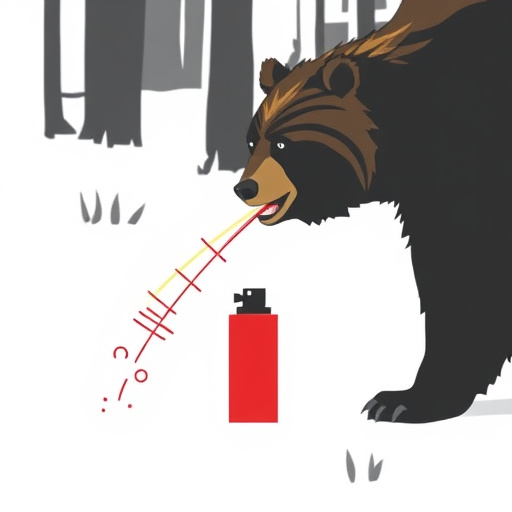
Bear spray, though effective as an eco-friendly alternative to firearms for deterring bears, poses complex environmental impacts due to synthetic active ingredients. Despite this, popularity endures, driving manufacturers to develop greener options with improved spray patterns, responsible usage guidelines, and proper disposal methods. Innovative, eco-conscious products now available combine natural capsaicin and essential oils, offering effective protection without environmental harm. Choosing these sustainable options contributes to a harmonious wilderness experience while ensuring safety and preserving local ecosystems, though they may come at a higher cost. Responsible handling, adherence to regulations, and proper disposal are crucial for minimizing ecological disruption, with natural deterrents providing an additional sustainable approach to bear safety.
“In the vast wilderness, encountering bears is a potential reality. Thus, equipping yourself with the right safety gear can make all the difference. This article delves into bear spray—a popular choice for deterring bears and ensuring outdoor safety. We explore its composition, effectiveness, and environmental impact, revealing whether it’s an eco-friendly alternative or not. Additionally, we guide you in choosing the best bear spray and offer safe use and disposal practices, empowering you to navigate wild encounters responsibly.”
- Understanding Bear Spray: Composition and Effectiveness
- Environmental Impact of Bear Spray: A Closer Look
- Eco-Friendly Alternatives to Consider
- Choosing the Right Bear Spray for Your Needs
- Best Practices for Safe Use and Disposal
Understanding Bear Spray: Composition and Effectiveness
Bear spray is a popular wilderness safety gear, often hailed as a non-lethal defense against bear encounters. Comprising a mixture of capsaicin, a compound derived from chili peppers, and other ingredients like water and propellants, it’s designed to cause temporary disorientation and pain in the target animal. This eco-friendly alternative to firearms is particularly attractive due to its ease of use and reduced environmental impact.
While bear spray isn’t as harmful as conventional chemicals, it still requires responsible handling. It’s crucial to understand that effectiveness varies based on factors like weather conditions, distance to the bear, and proper application technique. Moreover, while generally considered more environmentally friendly than lethal force, its impact on non-target wildlife and water sources should be considered. Users must follow instructions carefully and choose products certified by reputable organizations for optimal safety and minimal ecological disruption.
Environmental Impact of Bear Spray: A Closer Look
Bear spray has often been hailed as an eco-friendly alternative to firearms for self-defense against bears in the wilderness. However, its environmental impact is a nuanced topic that requires closer examination. The active ingredients in bear spray are typically synthetic and can persist in the environment, potentially affecting non-target species and water sources if not used properly. These chemicals can have detrimental effects on aquatic ecosystems, as they may bioaccumulate in fish and other water life, leading to disruptions in the food chain.
Despite these concerns, bear spray remains a popular choice for outdoor enthusiasts due to its ease of use and effectiveness in deterring bears. To make it more environmentally friendly, manufacturers are exploring alternative ingredients and improving spray patterns to reduce off-target impact. Responsible usage, proper disposal, and choosing eco-conscious brands can also contribute to minimizing the ecological footprint of bear spray, offering a safer and greener option for wilderness adventurers.
Eco-Friendly Alternatives to Consider
When considering wilderness safety gear, it’s natural to wonder about the environmental impact of products like bear spray. While traditional options have raised concerns about their ecological effects, there are now several eco-friendly alternatives on the market. These innovative solutions offer the same level of protection against bears and other wildlife without the potential harm to ecosystems.
One prominent eco-friendly alternative to bear spray is a combination of natural deterrents like capsaicin (the active ingredient in chili peppers) and essential oils. Products crafted with these ingredients not only provide an effective barrier against aggressive animals but also biodegrade quickly, minimizing their impact on the environment. Additionally, some manufacturers use sustainable packaging made from recycled materials, further reducing the product’s carbon footprint.
Choosing the Right Bear Spray for Your Needs
When considering bear spray as part of your wilderness safety gear, one of the first decisions is choosing the right product for your specific needs. Bear sprays come in various strengths and can differ in active ingredients, which affect their range, effectiveness, and environmental impact. For those concerned about the ecological footprint, it’s worth noting that many modern bear sprays are designed with an eye towards sustainability. Some eco-friendly options use natural repellents and biodegradable formulations, offering a safer alternative for wildlife and the environment compared to traditional chemical-heavy sprays.
While these eco-conscious bears sprays might be slightly more expensive, they provide peace of mind knowing that you’re minimizing potential harm to local ecosystems. Look for products certified by reputable organizations focused on environmental safety to ensure they meet specific criteria for reduced ecological impact. This thoughtful choice not only protects you in bear country but also contributes to a more balanced and sustainable wilderness experience.
Best Practices for Safe Use and Disposal
When using bear spray, it’s crucial to follow best practices for safety and environmental considerations. Always check local regulations and consult with park rangers before carrying bear spray, as usage guidelines vary across regions. Proper use involves keeping the can upright, targeting the spray directly at the bear’s face, and following the manufacturer’s instructions for distance and duration.
Disposal is another critical aspect of bear spray safety. Unlike some eco-friendly alternatives, bear spray cans are not biodegradable and should be disposed of responsibly. Empty cans must be collected and recycled through proper channels to prevent environmental contamination. Many outdoor gear stores offer recycling programs for used bear spray containers, ensuring they’re handled appropriately and don’t end up in landfills. Opting for eco-friendly alternatives, like bear deterrents made from natural ingredients, can be a more sustainable choice for wilderness safety.
Bear spray has long been considered a vital tool for wilderness safety, but as awareness grows, so does interest in eco-friendly alternatives. While traditional bear spray is effective, its environmental impact cannot be ignored. Exploring options like natural repellents and non-lethal deterrents offers a more sustainable approach to protecting both humans and wildlife habitats. By choosing the right product and practicing safe usage, individuals can ensure their outdoor adventures remain enjoyable and harmless for all. Remember, staying informed and making conscious decisions about our gear is key to preserving the delicate balance of nature.